
How to Safely Maintain an Empty Property During the Winter Months
Mon 01 Dec 2025

As temperatures drop and winter weather sets in, empty properties—whether awaiting sale, undergoing renovations, or serving as seasonal homes—face unique risks. From burst pipes to break-ins, neglecting winter maintenance can lead to costly damage and insurance headaches. Fortunately, a few proactive steps can help keep vacant homes safe, dry, and secure all season long.
Protect Plumbing from Freezing
Frozen pipes are among the most common—and expensive—issues in cold weather. To prevent them, homeowners should drain all water lines, shut off the main supply, and consider adding non-toxic antifreeze to toilets and drains. If the property requires running water, keep the thermostat set no lower than 55°F (13°C) and open cabinet doors to allow warm air to circulate around plumbing.
Keep the Heat On—Safely
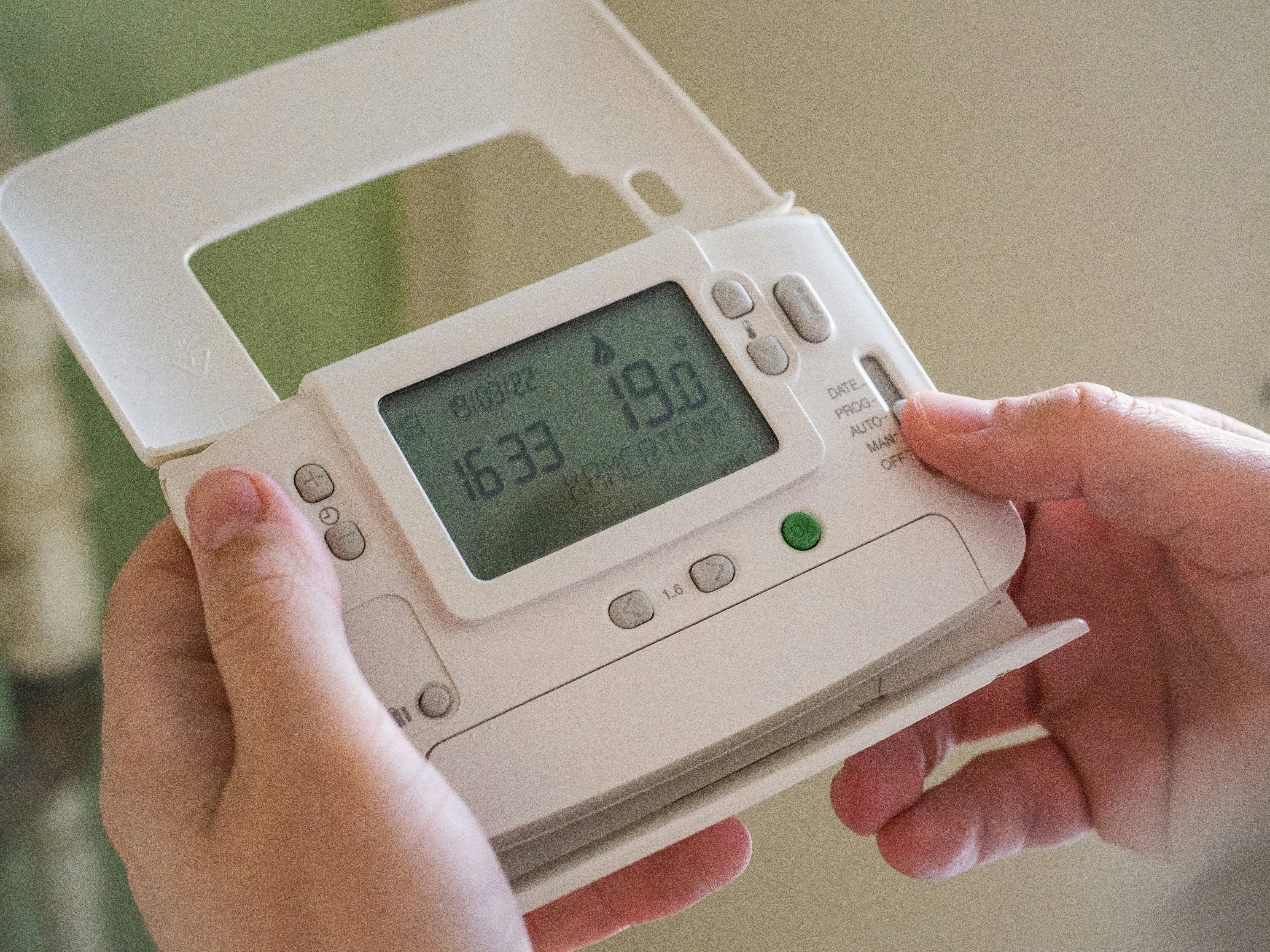
A steady indoor temperature helps protect both the structure and contents of a home. Regularly check that the heating system is in good working order before leaving the property. For extra peace of mind, install a smart thermostat or temperature alarm that can send alerts if the interior drops below safe levels.
Inspect the Roof and Gutters
Before the first snowfall, clear gutters and downspouts to prevent ice dams and water buildup. Loose shingles or flashing should be repaired promptly—small roof leaks can become major problems under heavy snow and ice.
Secure the Property Against Intruders

Vacant homes can attract unwanted attention. Ensure all doors and windows are locked, use motion-activated exterior lighting, and consider security cameras or timed interior lights to give the impression of occupancy. Ask a neighbour or property manager to check in regularly, especially after storms.
Manage Snow and Ice
Regular snow removal isn’t just about curb appeal—it’s about safety and liability. Keep driveways, walkways, and entrances clear to reduce slip hazards and comply with local ordinances. If you can’t handle it yourself, hire a reliable snow removal service before winter hits.
Check Insurance Coverage
Many standard homeowner policies have restrictions on vacant or unoccupied properties. Contact your insurance provider to confirm coverage and learn whether you need a vacancy endorsement or unoccupied property policy.
Conduct Periodic Inspections
Even with preventive measures in place, regular inspections are essential. A quick visit—or a hired caretaker—can catch early signs of trouble, such as leaks, mould, or vandalism, before they turn into serious damage.
The Bottom Line:
Preventing winter damage to an empty home takes planning, but it’s far easier than dealing with repairs come spring. By preparing plumbing, maintaining heat, and staying vigilant about security, property owners can rest easy knowing their investment is protected through the coldest months of the year.